
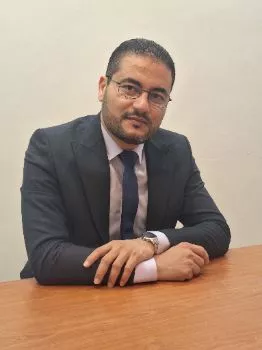
TAHA ELKONI MOKHTAR MAAYOUF
Assistant Professor
Permanent Lecturer
Qualification: Doctorate
Academic rank: Assistant professor
Specialization: قانون عام ودولي - القانون
- Faculty of Law and Political Sciences - Zintan
About TAHA
Assistant Professor at the Faculty of Law and Political Science, University of Zintan. Holds a PhD in Legal Sciences from the University of Caen Normandy – France, and a Master's degree in Domestic and International Public Law from the University of Lorraine – France. He also holds another Master's degree in Public International Law from the University of Tripoli – Libya. He has taught several legal courses at the faculty, including: Constitutional Law, Public International Law, Human Rights, Administrative Law, Legal Research Methods, Introduction to Law, International Relations, and National Culture. He has also supervised several graduation research projects for fourth-year law students.
Publications
دولـة القانون وحماية الحقوق والحريات في لــيبيــا: الأسس الدستورية وتحديات التطبيق // The Rule of Law and the Protection of Rights and Freedoms in Libya: Constitutional Foundations and Implementation Challenges
مقال في مجلة علميةتُعد دولة القانون أحد الأطر الدستورية لحماية الحقوق والحريات الأساسية، وضمانة لخضوع سلطات الدولة للقانون، وأحد الركائز الجوهرية لبناء الدولة الحديثة. لذا تستهدف دراستنا مفهوم هذه الدولة وأسسها الدستورية، وبيان دورها في حماية الحقوق والحريات الأساسية للإنسان سواء كانت مدنية أو سياسية أو اقتصادية أو اجتماعية أو ثقافية، وذلك باستخدام المنهج الوصفي التحليلي، كما ستتطرق للتحديات التطبيقية التي تحول دون قيامها في دولة ليبيا، نتيجة لغياب الدستور، والانقسام السياسي والمؤسسي، وضعف الاستقلال القضائي، والانفلات الأمني وغيرها من التحديات التي سببت في اتساع الفجوة بين النصوص الدستورية لدولة القانون والتطبيق العملي لها. خلصت الدراسة إلى أن الأسس الدستورية لدولة القانون تشكل ضمانة أساسية لحماية الحقوق والحريات، شريطة تفعيلها بواسطة مؤسسات حكومية قوية، واستقلال قضائي حقيقي، ورقابة دستورية فعالة، واستقرار سياسي وأمني دائم.
الكلمات المفتاحية: دولة القانون، الأسس الدستورية، الحقوق والحريات، سيادة القانون، دولة ليبيا.
Abstract: The rule of law represents a cornerstone constitutional framework for safeguarding fundamental rights and freedoms, guaranteeing the subjection of public authorities to the law, and serving as a vital pillar in building the modern state. Accordingly, this study aims to examine the concept of the rule of law and its constitutional foundations, while analyzing its role in protecting fundamental human rights and freedoms—whether civil, political, economic, social, or cultural—utilizing a descriptive-analytical approach. Furthermore, the study addresses the practical challenges hindering the establishment of the rule of law in Libya, primarily driven by the absence of a permanent constitution, political and institutional division, weak judicial independence, and security instability. These multifaceted challenges have collectively widened the gap between constitutional texts and their practical implementation.
The study concludes that the constitutional foundations of the rule of law constitute an essential guarantee for the protection of rights and freedoms, provided they are effectively operationalized through robust governmental institutions, genuine judicial independence, effective constitutional oversight, and sustained political and security stability.
Keywords: Rule of Law, Constitutional Foundations, Rights and Freedoms, Supremacy of Law, State of Libya.
طه الكوني المختار معيوف، (09-2026)، ليبيا: مجلة جامعة درنة للعلوم الإنسانية والاجتماعية، 8
الانتهاكات الممنهجة بسجن صيدنايا في سوريا : دراسة في ضوء قواعد القانون الدولي لحقوق الإنسان // Systematic Human Rights Violations in Sednaya Prison, Syria: A Legal Study under International Human Rights Law
مقال في مجلة علميةيتناول هذا البحث الانتهاكات الممنهجة التي ارتكبها النظام السوري ضد المعتقلين بسجن صيدنايا، أحد أسوأ السجون سمعة في العالم، خلال الفترة الممتدة من 2011م إلى 2024م، فركّز على أنماط متعددة من الانتهاكات شملت الاعتقال التعسفي، والإخفاء القسري، والتعذيب بأنواعه، والمعاملة اللاإنسانية، والإعدامات خارج نطاق القضاء، التي شكلت خروقات جسيمة للمواثيق الدولية، كالإعلان العالمي لحقوق الإنسان، والعهد الدولي الخاص بالحقوق المدنية والسياسية، وغيرها. كما تطرق البحث إلى غياب إجراءات المحاكمة العادلة والمنصفة، وإلى التعسف القضائي من خلال محكمة الميدان العسكرية، التي شكلت أداة لقمع وإبادة المعتقلين، ليختم بالتطرق للآثار المترتبة عن هذه الانتهاكات.
يعتمد البحث على منهج وصفي تحليلي قانوني مدعوم بشهادات وتقارير موثقة من منظمات حقوقية محلية ودولية، ويقترح في خاتمته توصيات لضمان تعزيز وحماية حقوق الإنسان وتحقيق المساءلة ومنع الإفلات من العقاب.
الكلمات المفتاحية: سجن صيدنايا، الاعتقال التعسفي، الإخفاء القسري، التعذيب، محكمة الميدان العسكرية.
Abstract: This research addresses the gross human rights violations committed by the Syrian regime against detainees in Sednaya Prison - one of the most notorious detention facilities in the world - during the period from 2011 to 2024. It focuses on various patterns of abuse, including arbitrary detention, enforced disappearance, multiple forms of torture, and extrajudicial executions, all of which constitute serious breaches of international human rights instruments such as the Universal Declaration of Human Rights and the International Covenant on Civil and Political Rights. The study also examines the absence of fair trial guarantees and the judicial arbitrariness exercised through the Field Military Court, which served as a tool of repression and systematic extermination. Furthermore, it explores the consequences of these violations on the detainees. The research adopts a descriptive-analytical legal methodology, supported by documented testimonies and reports from both local and international human rights organizations. It concludes with a set of recommendations aimed at strengthening detainees’ rights, ensuring accountability, and preventing impunity.
.Keywords: Sednaya Prison, arbitrary detention, enforced disappearance, torture, Field Military Court.
طه الكوني المختار معيوف، (09-2025)، ليبيا: مجلة القرطاس للعلوم الإنسانية، 27
الهجرة غير الشرعية في ليبيا: مقاربة قانونية وأمنية لفهم السياق واقتراح الحلول // Irregular Migration in Libya: A Legal and Security Approach to Understanding the Context and Proposing Solutions
مقال في مجلة علميةيتناول البحث ظاهرة الهجرة غير الشرعية في ليبيا لما لها من تداعيات خطيرة، من منظور قانوني وأمني متكامل، بالتركيز على أسبابها القانونية والأمنية، المتمثلة في ضعف البنية التشريعية الخاصة بالهجرة، وغياب التنسيق بين التشريعات المحلية والدولية، وضعف تطبيق النصوص القائمة، إضافة للانفلات الأمني، وضعف الرقابة على الحدود، وانتشار شبكات تهريب المهاجرين، التي جعلت من ليبيا دولة مقصد وعبور لها. ثم قُدِمت استراتيجيات مُعالِجة لهذه الاسباب، بالدعوة إلى إصلاح تشريعي فعَال يواكب المعايير الدولية، وتفعيل الاتفاقيات الدولية، وتعزيز التعاون القضائي الدولي دون المساس بسيادة الدولة، بالإضافة لاتخاذ تدابير أمنية وقائية، تعزز القدرات الأمنية، وتفعل التعاون الإقليمي والدولي، وتطور أنظمة المراقبة الحدودية. لذا يقدم بحثنا تحليلاً قانونياً وأمنياً لأسباب ظاهرة الهجرة غير الشرعية موجَه لصناع القانون والساسة والمهتمين، ويقترح حلولاً قانونية وأمنية تأخذ في اعتبارها الأبعاد الإنسانية والسيادية للدولة الليبية.
الكلمات المفتاحية: مكافحة الهجرة غير الشرعية، الإصلاح التشريعي، الأمن الحدودي، دولة ليبيا.
Abstract: This study offers a doctrinal and policy-oriented analysis of irregular migration in Libya, addressing the phenomenon through a dual legal and security lens. It identifies key legal shortcomings, including the absence of a cohesive legislative framework, weak harmonization with international legal instruments, and limited enforcement capacity. Security-related challenges are also examined, notably the fragility of border control mechanisms, institutional fragmentation, and the prevalence of transnational smuggling networks. In response, the study advocates for comprehensive legislative reform aligned with international standards, enhanced implementation of treaty obligations, and strengthened cross-border judicial cooperation, without compromising state sovereignty. Preventive security measures—such as institutional capacity building, regional coordination, and the modernization of border surveillance systems—are also emphasized. The research aims to contribute to legal and policy discourse by proposing integrative solutions that reconcile humanitarian principles with Libya’s sovereign imperatives.
Keywords: Combating Irregular migration, legal reform, border governance, State of Libya.
طه الكوني المختار معيوف، (09-2025)، ليبيا: مجلة جامعة درنة للعلوم الإنسانية والاجتماعية، 6
القانون والذكاء الاصطناعي : حماية حقوق الإنسان في ظل التكنولوجيا الحديثة // Law and Artificial Intelligence: Protecting Human Rights in the Era of Modern Technology
مقال في مجلة علميةيتطرق هذا البحث للعلاقة بين القانون والذكاء الاصطناعي، مع التركيز على حماية حقوق الإنسان في ظل التطورات التكنولوجية الحديثة. حيث أصبح الذكاء الاصطناعي يوفر فرصًا لتعزيز حقوق الإنسان، كتحسين الوصول إلى الخدمات الأساسية، ودعم حرية التعبير، ولكنه يؤدي إلى مشكلات أخرى كانتهاك الخصوصية، والتمييز الخوارزمي وغيرها. لذا برزت الحاجة إلى إيجاد أطر قانونية قادرة على مواكبة التطورات، وحماية الحقوق والحريات من أي انتهاكات قد تحدث، ومواجهة تحديات غياب التشريعات، وصعوبة تحديد المسؤولية القانونية عن قرارات الذكاء الاصطناعي. ما دفعنا للبحث عن حلول قانونية تأخذ في اعتبارها التغير المستمر للتكنولوجيا الحديثة، وتعمل على تعزيز الشفافية في استخدامها، وتنشئ هيئات رقابية فعَالة تضمن التوازن بين الاستفادة من إمكاناتها، وتحمي حقوق الإنسان.
.الكلمات المفتاحية: الذكاء الاصطناعي، خصوصية البيانات الشخصية، التحيز الخوارزمي، الأمن السيبراني
Abstract : This research explores the relationship between law and artificial intelligence, focusing on protecting human rights amid technological advancements. AI offers opportunities to enhance rights, such as improving access to essential services and supporting freedom of expression. However, it also presents challenges, including privacy violations and algorithmic discrimination. These issues highlight the urgent need for legal frameworks to keep pace with AI, safeguard rights, and address legislative gaps and accountability concerns. In response, this study seeks legal solutions that consider AI’s evolving nature, promote transparency, and establish regulatory bodies to balance its benefits with human rights protection. Ultimately, the goal is to leverage AI for humanity’s benefit while ensuring it safeguards rather than threatens fundamental rights.
Keywords: Artificial intelligence, personal data privacy, algorithmic bias, cyber security.
طه الكوني المختار معيوف، (06-2025)، ليبيا: مجلة الأصالة للعلوم التربوية والإنسانية، 11
La reconstruction du pouvoir exécutif de l'État en situation post conflictuelle - إعادة بناء السلطة التنفيذية للدولة في حالة ما بعد الصراع
رسالة دكتوراةأطروحة دكتوراة تتناول كيفية إعادة بناء وإصلاح المؤسسات الرئيسية للدولة الخارجة من الصراع، كالإدارة العامة، وقطاع الأمن، وقطاع العدل وآليات تطبيق العدالة الانتقالية، نوقشت وأجيزت بجامعة كان نورماندي - فرنسا.
La reconstruction de l’État en situation post-conflictuelle est considérée comme l’un des principaux enjeux des relations internationales, enjeu auquel les organisations internationales, sous l’égide des Nations Unies, contribuent et dans lequel elles tiennent un rôle prépondérant. Les pays sortant d’un conflit n’ont généralement pas la capacité immédiate de se reconstruire, mais ils doivent néanmoins se concentrer sur des priorités à mener en vue de leur reconstruction. Aussi, existe-il un ensemble de mécanismes juridiques, opérationnels, civils ou militaires de gestion des pays sortant d’un conflit auxquels il convient d’avoir recours.Cette thèse présente les difficultés et les obstacles auxquels est confrontée l’administration publique des pays post-conflit en général, et met en exergue la fragilité et la faiblesse de leurs appareils sécuritaires et militaires qui conduisent à l’insécurité, ainsi que l’absence d’une Justice transitionnelle et le développement du concept d’autoréalisation des droits, le tout instaurant peu à peu la loi de la jungle au sein de la société. Nous avons traité des cas de nombreux pays sortis de la phase de conflit, nous concentrant particulièrement sur la situation de la Libye en tant qu’exemple moderne où doit être analysée la nature des obstacles qui freinent la reconstruction d’une autorité exécutive forte et rechercher les mécanismes et stratégies grâce auxquels le pays pourra surmonter ces obstacles de manière efficace.Notre étude a conclu que la reconstruction de l’autorité exécutive de l’État sortant d’un conflit, pour être réalisée, doit s’accompagner d’un plan d’action et d’une stratégie clairement définie puis établie ; se concentrer sur les priorités, en premier lieu l’établissement d’une nouvelle constitution à laquelle toutes les institutions de l’État seront soumises et travailler à développer le secteur des Ressources humaines. Un travail conjoint avec les différents pays et organisations internationales et régionales s’avèrera nécessaire pour atteindre plus rapidement les objectifs fixés. Le cas de chaque pays devra être étudié en fonction de ses capacités et des circonstances afin de choisir le mécanisme approprié à la reconstruction de son administration publique comme de son appareil sécuritaire et militaire, renforcer le rôle de la justice et mettre en œuvre une Justice transitionnelle.
MAAYOUF TAHA، (06-2023)، جامعة كان نورماندي - فرنسا: موقع Thèse الخاص بنشر أطروحات الدكتوراة في فرنسا،
إصلاح الجهاز الإداري للدولة الليبية ( المعوقات وآليات التطبيق ) // Reform of the Libyan State Administrative Apparatus (obstacles and implementation mechanisms)
مقال في مجلة علميةيعتـبر إصـلاح الجهـاز الإداري تحديًـا كبيرا لعمليـة إعادة بنـاء الدولة في ليبيـا، كوننا بمجــرد إصلاحــه ســنتمكن مــن الحصــول عــلى إدارة فعالــة ذات كفــاءة وقــدرة عــى تنفيـذ الخطـط والإسـتراتيجيات التـي رسـمتها الدولـة، وسـنتمكن مـن تزويـد موظفـي الخدمـة المدنيـة بالإمكانيـات والوسـائل اللازمـة لتحقيـق مهامهـم، وتوفيـر الخدمـات للمواطنيـن.
لـذا فقـد قامـت هـذه الدراسـة بتسـليط الضـوء عـى أبـرز المعوقـات التـي تحـول دون إصـلاح الجهـاز الإداري، والتـي مـن بينهـا المركزيـة والبيروقراطيـة والتضخم الوظيفـي والتدخـل الخارجـي. لنتطـرق بعدهـا لمفهـوم الإصـاح الإداري بتعريفـه وبيان أهدافـه واسـتراتيجياته، والتركيـز عـى أبـرز آليـات تطبيقـه والتـي مـن ضمنهـا إعـادة هيكلـة المؤسسـات وتدريـب وتأهيـل الـكادر الوظيفـي ومكافحـة الفسـاد.
لقــد توصلــت هــذه الدراســة إلى أن إصــلاح الجهــاز الإداري لكــي يتحقــق، يجــب أن تقــترن عمليــة الإصــلاح بخطــة عمــل وباســتراتيجية واضحــة، وبــضرورة التركيــز علـى الأولويـات والتـي عـلى رأسـها انشـاء دسـتور جديـد تخضـع لـه كافـة مؤسسـات الدولـة، والعمـل عـلى تنميـة الموارد البشريـة، والتنسـيق للعمـل المشـترك بغيـة تحقيـق الأهـداف المرسـومة بسرعة اكبر.
الكلمات المفتاحية: المركزية الإدارية، الإدارة الالكترونية، إعادة الهيكلة، البيروقراطية، مكافحة الفساد.
Abstract : Reforming the administrative apparatus, developing its capabilities, and developing its human resources is a major challenge to the process of rebuilding the state in Libya. To fulfill their duties and provide services to citizens. Therefore, this study has shed light on the most important obstacles and obstacles that prevent the reform of the administrative apparatus of the Libyan state, including centralization, bureaucracy, job inflation and external interference. We will then discuss the concept of administrative reform by defining it and stating its main objectives and strategies, and focusing on the most prominent mechanisms for its implementation, including the restructuring of administrative institutions, training and rehabilitation of the functional staff and fighting corruption.
This study concluded that the reform of the administrative apparatus in order to be achieved, the reform process must be accompanied by a plan of action and a strategy for rebuilding the state, and the need to focus on priorities, on top of which is the creation of a new constitution to which all state institutions are subject and determines the form of the state and its system of governance, and work on developing resources Humanity with all available capabilities, and coordination for joint action in order to achieve the goals set more quickly.
Keywords: Administrative centralization, Anti-corruption, Bureaucracy, Electronic management, Restructuring.
طه الكوني المختار معيوف، (11-2022)، ليبيا: مجلة دلالات للعلوم الإنسانية والتربوية - جامعة طبرق، 6
انتهاكات حقوق الإنسان في ليبيا (واقعة سجن أبوسليم أنموذجاً)
رسالة ماجستيررسالة ماجستير نوقشت وأجيزت بكلية القانون - جامعة طرابلس في 2021
طه الكوني المختار معيوف، (08-2021)، ليبيا: جامعة طرابلس،
La reconstruction de l’État en situation post conflictuelle et la reproduction du modèle de l’État de droit - إعادة بناء الدولة في حالة ما بعد الصراع وإعادة هيكلتها وفقا لأنموذج دولة القانون
Master Thesisرسالة ماجستير باللغة الفرنسية في القانون العام
TAHA ELKONI MOKHTAR MAAYOUF, (06-2017), فرنسا: جامعة اللورين,